Do Indians need a visa for Bhutan?
▼
No, Indian citizens do NOT need a visa to visit Bhutan. This is a special privilege extended to Indian nationals (along with Bangladeshi and Maldivian citizens). You only need a valid Indian Passport OR Voter ID card to enter Bhutan. An entry permit is issued free of cost at Paro International Airport or at the Phuentsholing border when entering by road. The entry permit allows you to travel throughout Bhutan for the duration of your tour. This makes Bhutan one of the easiest international destinations for Indians to visit. The visa-free entry saves both time and visa processing costs (international tourists pay visa fees).
Do Indians have to pay SDF (Sustainable Development Fee) in Bhutan?
▼
No, Indian citizens are completely exempt from paying the Sustainable Development Fee (SDF). This is a HUGE advantage! International tourists must pay $100 per person per day (approximately ₹8,300 per day), which makes Bhutan very expensive for them. For a 5-day trip, international tourists pay $500 (₹41,500) just in SDF fees alone. Indians save this entire amount! This exemption makes Bhutan extremely affordable for Indian travelers. You only pay for accommodation, meals, transport, guide services, and activities - just like any domestic trip. This special privilege exists due to strong bilateral relations between India and Bhutan.
What is the cheapest way to reach Bhutan from India?
▼
The cheapest way is to fly from Kolkata to Paro (₹4,000-₹6,000 round trip) or travel by road from Siliguri to Phuentsholing. Road route breakdown: Train/bus to Siliguri from any Indian city (₹1,000-₹3,000), then taxi/shared cab to Jaigaon-Phuentsholing border (₹500-₹1,000), enter Bhutan and hire vehicle to Thimphu (₹3,000-₹5,000 shared). Total road cost: ₹5,000-₹9,000 vs flight ₹8,000-₹25,000. However, road takes 2-3 days vs 2-3 hours by air. Our recommendation: Fly from Kolkata for best price-time balance. Book flights 2-3 months in advance for lowest fares. Monsoon season (June-August) offers cheapest flights and hotel rates with 20-30% discounts.
Can I use Indian Rupees in Bhutan?
▼
Yes! Indian Rupees are widely accepted throughout Bhutan, making it extremely convenient for Indian tourists. Bhutan's currency Ngultrum (BTN) is pegged at par with the Indian Rupee (1:1 exchange rate). You can use INR notes of ₹100, ₹500 denominations almost everywhere - hotels, restaurants, shops, markets. However, ₹2,000 notes may not be accepted at smaller establishments. ATMs in Thimphu and Paro accept Indian debit/credit cards (Visa/Mastercard) and dispense Ngultrum. Exchange remaining Ngultrum back to INR before leaving as it cannot be exchanged outside Bhutan. Pro tip: Carry mix of ₹100 and ₹500 notes for easy transactions. This eliminates currency exchange hassles completely!
Is Bhutan safe for Indian tourists?
▼
Bhutan is extremely safe for Indian tourists - in fact, one of the safest destinations worldwide! Crime rate is negligible, locals are friendly and hospitable towards Indians. Cultural and religious similarities create comfort. No incidents of tourist harassment or scams reported. Women travelers feel very safe traveling solo or in groups. Roads are well-maintained, drivers experienced with mountain driving. Political stability is excellent. Healthcare facilities available in Thimphu and Paro. Only precautions: Altitude sickness at high passes (carry basic medicines), mountain roads require care (especially in monsoon), respect local customs and dress modestly at religious sites. Indians are welcomed warmly due to strong Indo-Bhutan friendship. Language is not a barrier as Hindi is understood widely. Overall, Bhutan is safer than most Indian hill stations!
What is the best time for Indians to visit Bhutan?
▼
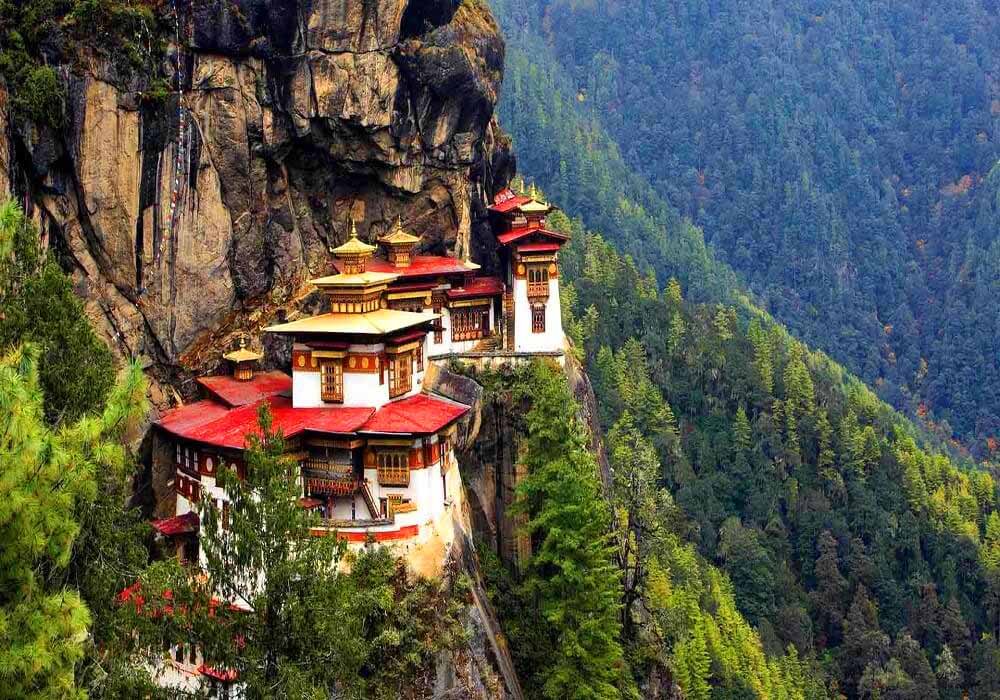
Best times: March-May (Spring) and September-November (Autumn). Spring offers blooming rhododendrons, clear mountain views, pleasant 15-25°C temperatures, perfect for Tiger's Nest trek. Autumn has crystal-clear skies, major festivals (Thimphu Tshechu in September/October, Paro Tshechu in March/April), best photography opportunities, comfortable weather. Winter (December-February) is cheaper with 20% discounts but cold (5-15°C), requires warm clothing, some high passes closed due to snow. Summer/Monsoon (June-August) offers 30% discounts, lush green landscapes, fewer tourists, but expect rain (carry umbrellas/raincoats). For Indians: Long weekends and holidays see higher demand - Diwali, Dussehra, New Year - book 2-3 months advance. School vacation periods (May-June, December) are popular for families.
Do I need a tour package or can I travel independently in Bhutan?
▼
Indians can travel independently in Bhutan without mandatory tour packages! This is another huge advantage over international tourists who MUST book through registered tour operators. As an Indian, you can: book your own flights, arrange your own hotels, travel by hired vehicle or public transport, eat at restaurants of choice, plan your own itinerary. However, most Indians prefer packages because: better value for money (group rates for hotels/vehicles), hassle-free planning (guide handles all logistics), knowledgeable local guides enhance experience, pre-arranged permits for remote areas, emergency support throughout trip. Our packages are designed specifically for Indian preferences with flexible customization options. Solo travelers and budget backpackers do travel independently, but packages offer convenience and often better rates due to bulk bookings.
What food options are available for Indian vegetarians in Bhutan?
▼
Vegetarian Indians will find plenty of options! Bhutanese cuisine is rice-based similar to Northeast India. Common vegetarian dishes: Kewa Datshi (potato cheese), Shamu Datshi (mushroom cheese), traditional red rice, momos (veg options), noodle soups, vegetables. Indian restaurants are abundant in Thimphu and Paro serving: Daal-Chawal, Roti-Sabzi, Paneer dishes, South Indian items (Dosa, Idli), Chaat, samosas. Hotels serve buffets with both Indian and Bhutanese vegetarian options. Jain food available at larger hotels upon request. Pure vegetarian restaurants exist in main towns. Markets sell Indian snacks and biscuits. Inform your guide about dietary restrictions - they'll ensure appropriate meal arrangements. Vegans might find it slightly challenging but manageable with prior planning. Overall, vegetarians face no food issues in Bhutan!
How many days should Indians spend in Bhutan?
▼
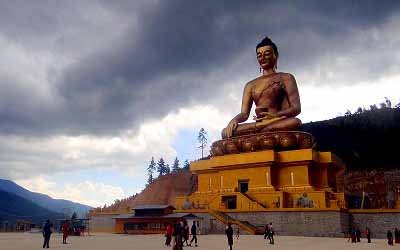
Recommended duration: 5-7 days for comfortable experience. Minimum 3 days covers: Paro (Tiger's Nest trek, Paro Dzong, Airport town), Thimphu (Buddha Dordenma, Tashichho Dzong, Memorial Chorten). Ideal 5 days adds: Punakha (Punakha Dzong, suspension bridge, Dochula Pass). Comprehensive 7 days includes: all above plus Phobjikha Valley OR Haa Valley OR extra cultural activities. Extended 10-12 days covers: Bumthang (cultural heartland, requires domestic flight), complete Western Bhutan circuit. For working professionals: 4-day weekend trip works (Fri-Mon), covers Paro-Thimphu essentials. First-timers: 5 days recommended to experience Bhutan properly without rushing. The SDF exemption for Indians means you can afford longer stays compared to international tourists who pay $100/day extra!
What should Indians pack for Bhutan trip?
▼
Essential packing list for Indians: Valid Passport/Voter ID (mandatory), comfortable trekking shoes (for Tiger's Nest), layered clothing (temperature varies 5-25°C), warm jacket even in summer (evenings cold), sunglasses and sunscreen (high altitude UV), hat/cap, personal medicines (altitude, motion sickness), power bank and chargers, camera with extra batteries, reusable water bottle, small backpack for day trips, modest clothing for monasteries (covered shoulders/knees), rain jacket (especially monsoon), warm woolens (winter Dec-Feb). Indians don't need: Visa documents, foreign currency (INR works), phrase books (Hindi understood). Carry: Snacks you like (Indian brands available but expensive), personal toiletries (basics available), any specific medicines you need. Pack light - laundry available at hotels. Download offline maps as mobile data can be slow in remote areas.