Top Places to Visit in Bhutan
Explore the most iconic and breathtaking destinations that define Bhutan's beauty

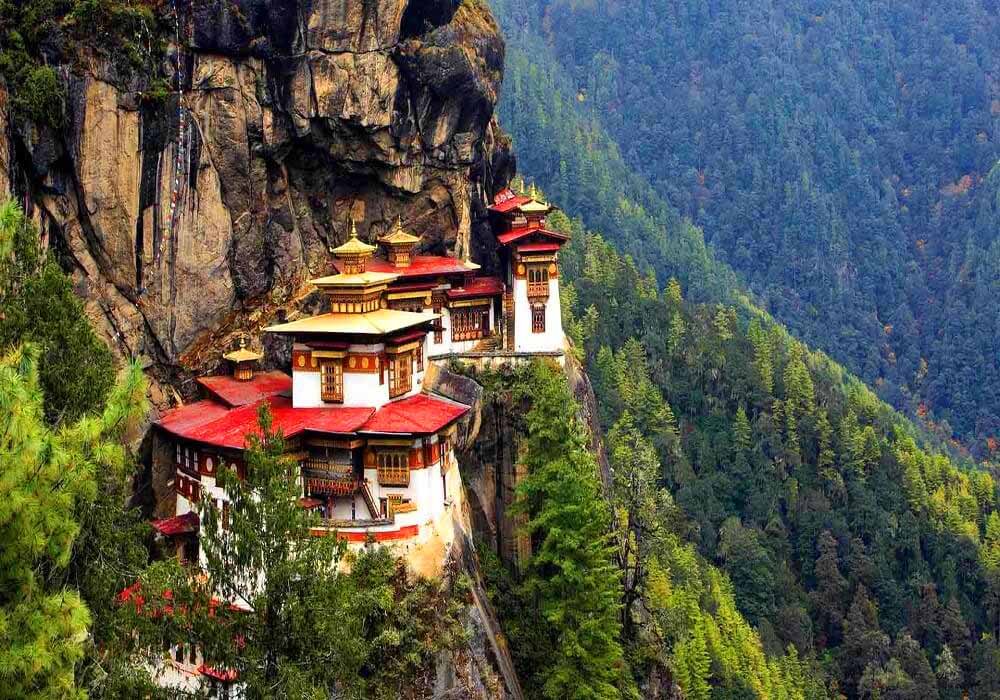
Tiger's Nest Monastery (Paro Taktsang)
The most iconic landmark in Bhutan, Tiger's Nest Monastery clings dramatically to a cliff face 3,120 meters above sea level. This sacred Buddhist site dates back to 1692 and requires a 2-3 hour trek through pine forests with breathtaking views.

Punakha Dzong
Known as the Palace of Great Happiness, Punakha Dzong sits majestically at the confluence of Pho Chu and Mo Chu rivers. Built in 1637, this stunning fortress showcases traditional Bhutanese architecture and serves as the winter residence of the Je Khenpo.

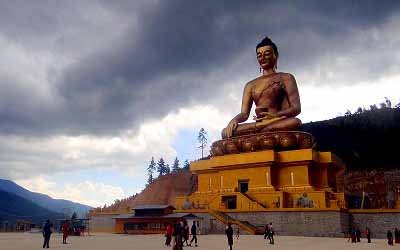
Buddha Dordenma Statue
This colossal 51.5-meter bronze Buddha statue overlooks Thimphu Valley from Kuenselphodrang. The gilded statue houses 125,000 smaller Buddha statues and offers panoramic views of the capital city, making it one of the largest Buddha statues in the world.

Dochula Pass
At 3,100 meters elevation, Dochula Pass features 108 memorial chortens (stupas) built in honor of Bhutanese soldiers. On clear days, witness spectacular panoramic views of the Himalayan mountain range including peaks over 7,000 meters.

Paro Valley
Home to Bhutan's only international airport, Paro Valley is a picturesque haven of rice fields, traditional farmhouses, and historic sites. The valley offers stunning views of Mt. Jomolhari and serves as the gateway to many of Bhutan's treasures.

Thimphu - The Capital City
Bhutan's capital and largest city, Thimphu uniquely blends tradition with modernity. Explore Tashichho Dzong, the weekend market, National Memorial Chorten, and experience the only capital in the world without traffic lights.

Chele La Pass
The highest motorable pass in Bhutan at 3,988 meters, Chele La offers breathtaking views of Mt. Jomolhari and the Haa Valley. The pass is adorned with colorful prayer flags and rhododendron forests bloom beautifully in spring.

Bumthang Valley
Known as the spiritual heartland of Bhutan, Bumthang comprises four beautiful valleys with numerous ancient temples and monasteries. Home to Jambay Lhakhang (7th century) and Kurjey Lhakhang, it's a paradise for culture and history enthusiasts.

Phobjikha Valley (Gangtey)
This glacial valley is the winter home of endangered black-necked cranes that migrate from Tibet (November-March). The pristine valley offers stunning landscapes, Gangtey Monastery, and the famous Gangtey Nature Trail through pristine forests.

Haa Valley
One of Bhutan's most pristine and least visited valleys, Haa offers untouched natural beauty, traditional villages, and authentic cultural experiences. The valley is surrounded by mountains exceeding 4,000 meters and features ancient temples and nomadic yak herders.

Tashichho Dzong
The Fortress of the Glorious Religion houses the throne room and offices of the King of Bhutan. This impressive structure on the banks of Wang Chu river showcases traditional Bhutanese architecture and serves as the summer residence of the Je Khenpo.

Rinpung Dzong (Paro Dzong)
Built in 1646, this fortress monastery overlooks Paro Valley and houses the monastic body of Paro. The dzong features a traditional wooden cantilever bridge and intricate wall paintings. Famous for hosting the annual Paro Tshechu festival.

National Museum of Bhutan
Housed in the ancient Ta Dzong watchtower above Rinpung Dzong, this museum showcases Bhutan's rich cultural heritage through art, relics, religious thangka paintings, and natural history exhibits. The circular building itself is an architectural marvel.

National Memorial Chorten
Built in 1974 in memory of third King Jigme Dorji Wangchuck, this prominent landmark in Thimphu is a focal point for daily worship. Locals circumambulate the chorten throughout the day, spinning prayer wheels and chanting mantras.

Chimi Lhakhang (Fertility Temple)
Known as the Fertility Temple, this monastery is dedicated to Lama Drukpa Kunley, the "Divine Madman." Couples seeking fertility blessings visit this unique temple. A pleasant 20-minute walk through rice fields leads to this hilltop monastery.

Punakha Suspension Bridge
One of Bhutan's longest suspension bridges spans the Po Chu river connecting Punakha Dzong to nearby villages. Adorned with colorful prayer flags, the swaying bridge offers stunning views of the river and surrounding valley.

Kyichu Lhakhang
One of the oldest and most sacred temples in Bhutan, built in 7th century by Tibetan King Songtsen Gampo. The temple features ancient murals, statues, and a beautiful orange tree that bears fruit throughout the year, considered miraculous.

Simply Bhutan Living Museum
An interactive living museum showcasing traditional Bhutanese lifestyle, architecture, and customs. Visitors can dress in traditional gho and kira, try archery, visit a traditional farmhouse, and experience authentic Bhutanese village life.

Changangkha Lhakhang
Perched on a ridge overlooking Thimphu Valley, this 12th-century temple is where parents bring newborns for blessings. The monastery offers panoramic views of the city and houses a large statue of Chenrezig (Avalokiteshvara).
Zuri Dzong Hike
A relatively easy 2-hour hike from Paro town leads to the ruins of Zuri Dzong fortress. The trail offers stunning views of Paro Valley, the airport, and surrounding mountains. Ideal for acclimatization and sunset photography.
Jambay Lhakhang
One of Bhutan's oldest temples, built in 659 AD by Tibetan King Songtsen Gampo. This sacred temple is known for its annual fire festival (Jambay Lhakhang Drup) where naked dances are performed at midnight for fertility blessings.

Khamsum Yulley Namgyal Chorten
A beautiful four-story stupa built by the Queen Mother, reached by a pleasant 45-minute walk through rice terraces and pine forests. The hilltop location offers magnificent views of the Punakha Valley and Mo Chu river.

Kurjey Lhakhang
One of the most sacred sites in Bhutan, this temple complex houses the body print of Guru Rinpoche on a rock. The complex consists of three temples surrounded by 108 chortens built by the Queen Mother. Massive prayer wheels line the pathway.

Trongsa Dzong
Built in 1648, this strategically located dzong controls the east-west passage across central Bhutan. The largest dzong in Bhutan features maze-like corridors, courtyards, and a watchtower that now houses the Heritage Museum showcasing royal artifacts.

Simtokha Dzong
The oldest dzong in Bhutan, built in 1629 by Zhabdrung Ngawang Namgyal. Now houses the Institute for Language and Cultural Studies. The dzong features over 300 beautifully carved slate images of Buddhist saints and teachers.

Drukgyel Dzong Ruins
Built in 1649 to commemorate victory over Tibetan invaders, this historic dzong was destroyed by fire in 1951. The ruins now offer stunning backdrop views of Mount Jomolhari. Currently under restoration as a tribute to the first king.
Sangaygang Viewpoint
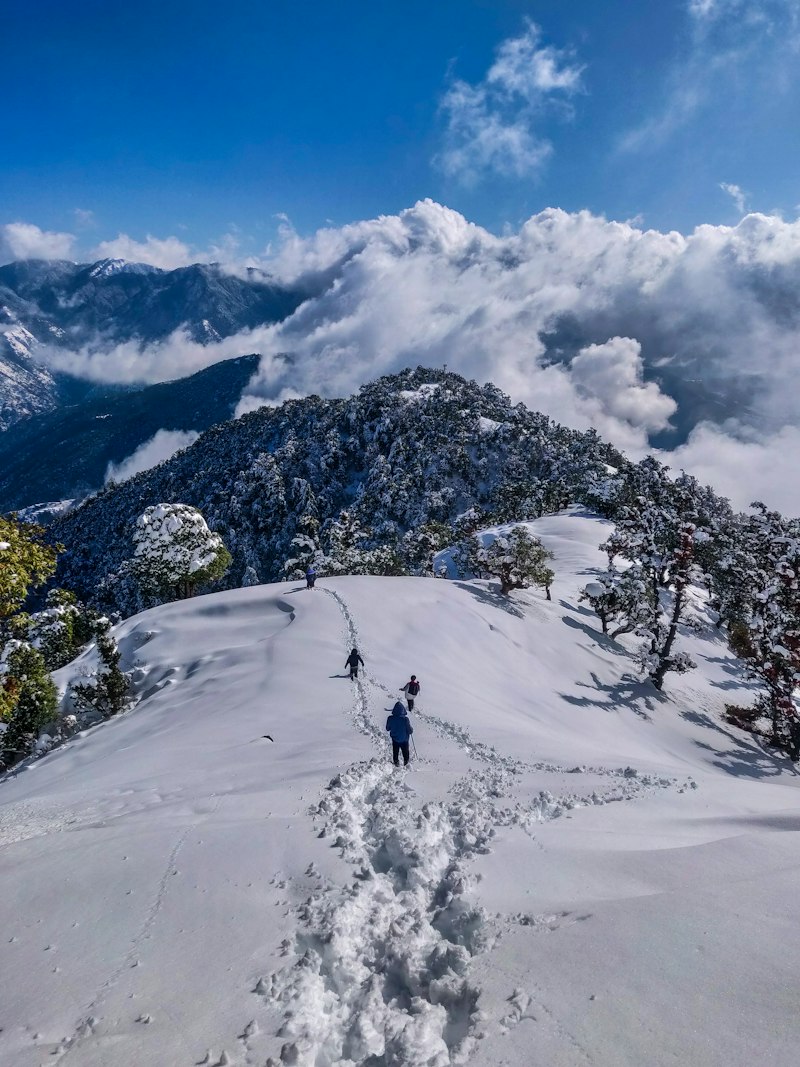
The highest point in Thimphu at 2,500 meters offers 360-degree panoramic views of the entire Thimphu Valley. The viewpoint features a large prayer wheel, telecommunications tower, and is adorned with colorful prayer flags. Perfect for sunrise or sunset.
Motithang Takin Preserve
Home to Bhutan's national animal, the takin - a unique goat-antelope found only in the Himalayas. This wildlife preserve was originally a zoo, converted into a natural habitat. Observe these fascinating creatures in their protected environment along with other local wildlife.